Managing clients solo
Chapters
Tools
 Brings tasks, documents, goals and time tracking together in one workspace with flexible views for your team.
Books
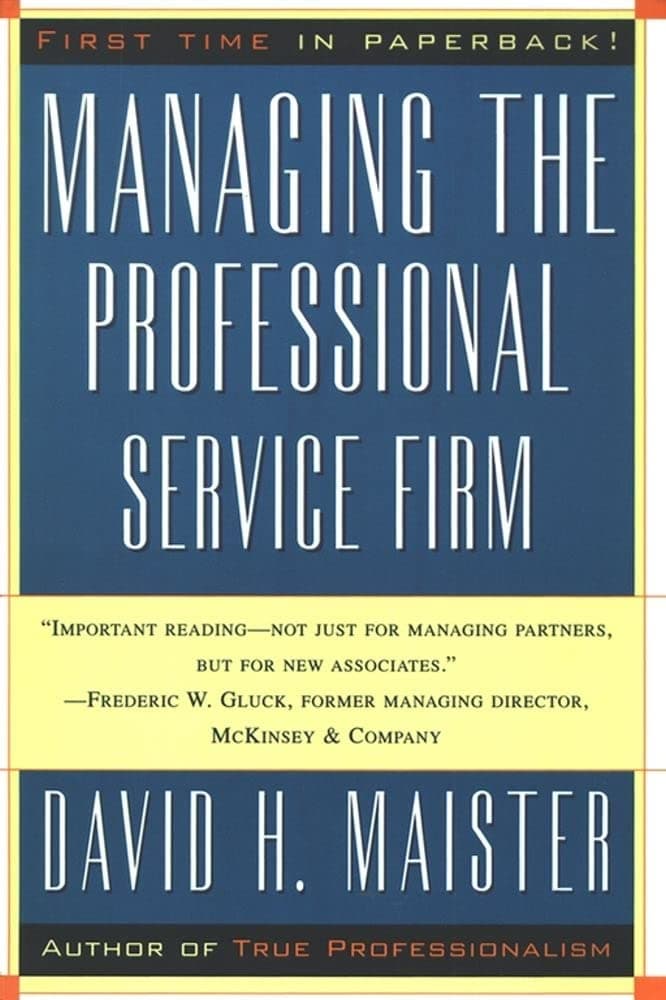
About this playbook
Client management for freelancers is the part of the job that great work does not cover. You can be brilliant at the craft and still lose clients in the gaps around it: the kick-off that drifted into confusion, the small unbilled favours that quietly became a second project, the client who went quiet and then went away. The relationship does not take care of itself just because the output is good, and assuming it does is how a strong freelancer ends up rebuilding their pipeline every quarter.
This playbook treats the relationship as a process you run on purpose, the way a firm would, except it is just you. It walks the full arc: onboarding that sets the tone on day one, scope you make visible so creep never sneaks up, a communication cadence that keeps clients calm, the difficult conversation handled without losing the account, testimonials gathered without it ever being awkward, and a retention rhythm that keeps good clients for years and turns them into referrers.
Every chapter is one move you can make this week, with the exact words to use and a worked example of someone who used it. The thread running through all of it is simple: clients grade the experience of working with you, not only the deliverable, and the experience is something you design.